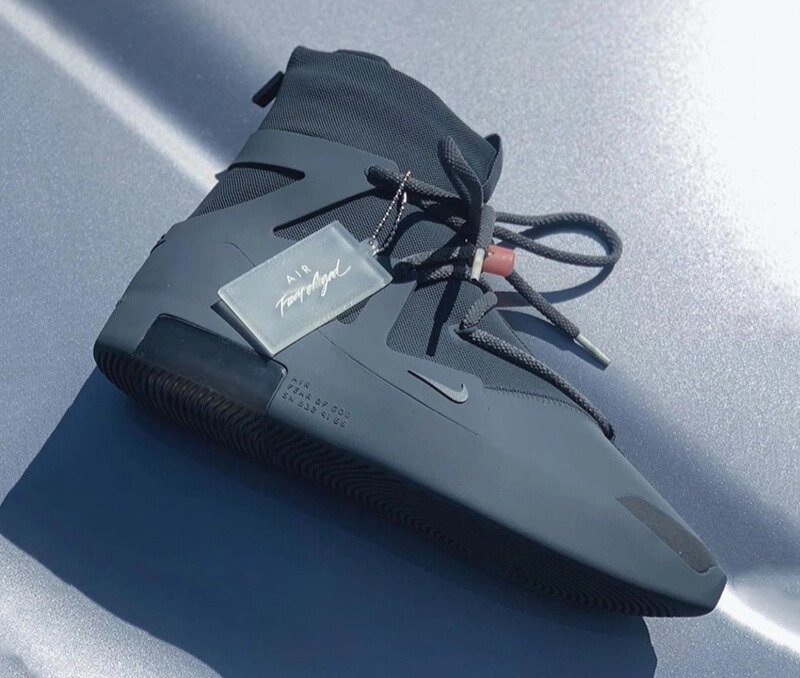
Custom shoe tags provide footwear brands with a powerful tool to display important product details and enhance visual appeal on retail shelves. Footwear companies often search for effective ways to communicate brand values directly to buyers. Manufacturers design these physical markers using various sturdy materials like heavy cardstock and recycled plastics. Retail managers place them securely on shoelaces or attach them to eyelets. Customers notice these small additions immediately when browsing footwear displays. Brands utilize distinct logos and color schemes to build stronger recognition among shoppers everywhere.
Buying Bulk Supplies
Businesses often require large quantities of custom shoe tags wholesale to fulfill massive production demands efficiently. Purchasing inventory in Custom shoe tags wholesale helps companies reduce overall expenses significantly while maintaining high quality standards across every footwear collection. Factories produce millions of units daily using advanced printing technology and durable paper stocks. Procurement managers evaluate different supplier options before placing large orders to secure the best pricing structures available in the global market today.
Regional Market Access
Companies operating within specific geographic areas frequently source custom shoe tags from UK suppliers to ensure fast shipping times and local compliance standards. British footwear brands benefit greatly from partnering with nearby manufacturers who understand regional consumer preferences and environmental regulations. Local production also minimizes carbon emissions associated with long-distance freight transportation. Retailers appreciate receiving their shipments promptly without facing unexpected customs delays or international shipping complications during peak seasons.
Visual Store Merchandising
Attractive retail setups require effective custom shoe tag display solutions to capture shopper attention instantly upon entering modern footwear stores. Store designers arrange merchandise carefully on shelves while highlighting special tags that feature eye-catching typography and vibrant color palettes. Effective visual merchandising encourages browsers to examine products more closely and increases the likelihood of making a purchase. Retail staff maintain these displays daily to ensure every shoe looks pristine and inviting to potential buyers passing by the aisles.
Flexible Order Quantities
Independent designers and boutique stores often look for custom shoe tags with no minimum order requirements to test new product lines without financial risk. Small batches allow emerging creators to experiment with unique shapes and textures before committing to large-scale industrial manufacturing runs. Suppliers accommodate smaller requests by utilizing digital printing presses that eliminate costly setup plates. This flexibility empowers startup brands to launch professional footwear collections that rival established market leaders in terms of aesthetic presentation.
For more information read this blog : https://www.premiumcustomboxes.com/how-much-does-a-pack-of-cigarettes-cost-in-the-usa/
Brand Identity Integration
Creating strong brand recognition relies heavily on utilizing custom shoe tags with logo placements that reinforce company values consistently. Designers carefully position brand emblems on the front surface so shoppers recognize the maker instantly. Consistent visual branding builds trust and loyalty among consumers who appreciate attention to detail in every pair of shoes they purchase. Companies invest substantial time in perfecting their visual identity elements before sending final design files to manufacturing partners.
Alternative Tag Styles
Footwear manufacturers frequently explore different varieties, including customised shoe hang tags, to give their products a distinct personality and unique tactile feel. These hanging labels swing freely from laces or pull tabs, creating dynamic movement that catches ambient store lighting effectively. Manufacturers offer matte finishes and glossy laminations to achieve specific stylistic goals requested by creative directors. Such variety ensures that every brand finds a suitable physical format matching its overarching design philosophy.
Individual Product Customisation
Specialized collections sometimes demand personalized shoe tags that feature unique serial numbers or specific sizing details for individual pairs. Luxury footwear houses utilize individual serialization to authenticate limited edition releases and prevent counterfeiting in secondary markets. Customers value these exclusive touches because they make the purchase feel tailored specifically to their personal preferences. Production floors integrate variable data printing systems to handle individual text changes seamlessly across thousands of distinct items.
Large Scale Purchasing
Industrial footwear producers rely on Custom Tags with logo to keep operational costs low while maintaining steady inventory levels throughout the production calendar. Bulk purchasing agreements guarantee stable pricing over extended periods ,protecting businesses from sudden raw material cost fluctuations. Warehouse coordinators manage large shipments carefully upon arrival,rival logging every box into digital inventory tracking systems. Efficient supply chain management ensures that manufacturing lines never experience delays due to missing packaging components.
Conclusion
Custom shoe tags remain an essential asset for any footwear brand seeking to improve retail presentation and connect meaningfully with shoppers. Selecting appropriate materials and clear typography helps companies communicate their core values effectively on crowded store shelves. Modern manufacturing techniques allow businesses of all sizes to acquire professional labels matching their exact specifications without exceeding budgetary limits. Footwear companies that invest in quality tagging solutions ultimately strengthen their market presence and long-term commercial success.