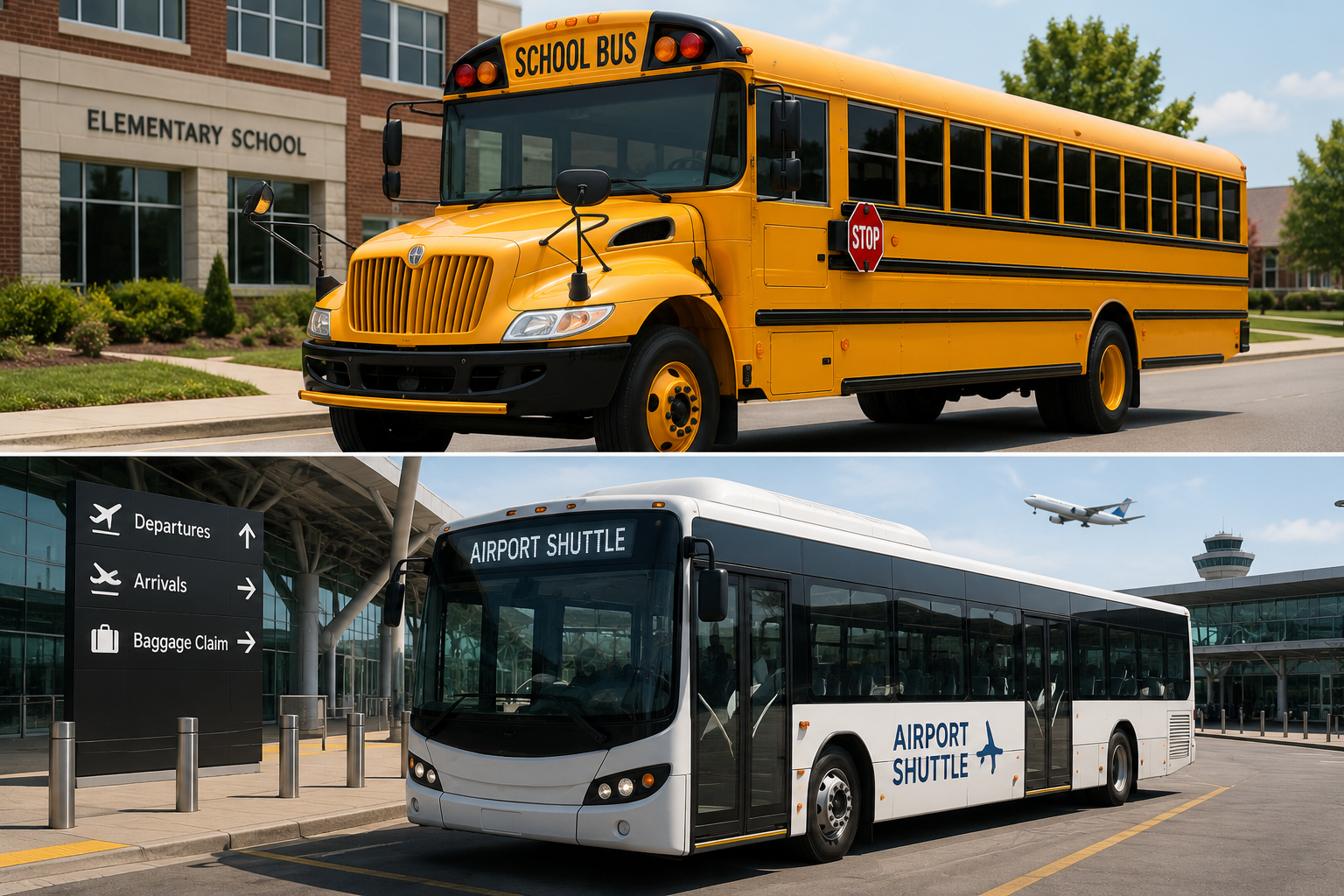
Student transportation is an important part of many educational activities. From classroom excursions and sports competitions to academic programs and cultural events, moving students as a group requires careful coordination. Effective School Bus Transportation can help educators create a structured travel plan that considers passenger numbers, supervision, timing, meeting locations, and the specific requirements of each journey.
A successful trip starts long before students board. Organizers need to establish clear responsibilities, communicate essential information, and leave enough flexibility for changing road conditions. When these details are addressed early, teachers can concentrate more fully on students and the purpose of the trip.
Start With a Complete Travel Plan
Every journey should begin with a clear itinerary. Organizers should identify the departure location, destination, required arrival time, planned activities, and expected return window.
Once these details are established, planners can determine when students should assemble and when the group should leave.
School Bus Transportation should be incorporated into this itinerary rather than treated as a separate last-minute arrangement. Doing so makes it easier to coordinate transportation with admission times, scheduled programs, meal breaks, and other activities.
Calculate Travel Time Realistically
Estimated driving time is only one part of the schedule. Student groups also need time for attendance checks, boarding, organizing belongings, and gathering before the return journey.
Traffic conditions may also affect the journey. Congestion during morning or afternoon periods can extend travel time considerably.
Building a reasonable buffer into School Bus Transportation planning can reduce pressure if minor delays occur.
Know Exactly Who Is Traveling
An accurate passenger count is essential for organized student transportation. Schools should know how many students, teachers, supervisors, and additional authorized passengers will participate.
Attendance information should remain accessible throughout the journey.
For larger groups, teachers can divide students into smaller units and assign each unit to a supervising adult. This approach can make repeated attendance checks more manageable.
Create an Efficient Boarding Routine
Boarding does not need to be complicated. Students can assemble in assigned groups, wait for instructions, and board according to a predetermined procedure.
Teachers should complete attendance checks before departure rather than trying to determine whether everyone is present after the journey has started.
A consistent routine makes School Bus Transportation more orderly, particularly for younger students or larger groups.
Select Clear Pickup and Drop-Off Areas
Meeting locations should be specific and easy to recognize. Students and supervisors should know exactly where to gather before the scheduled departure.
The destination requires similar planning. Organizers should determine where the group will arrive and where students must meet before returning.
Those considering student group travel in Toronto should evaluate practical pickup and drop-off arrangements as part of the overall transportation plan.
Clear locations can save valuable time and reduce confusion during busy travel days.
Match Transportation Planning to the Activity
School Bus Transportation may be needed for many different purposes, and each journey can present unique requirements.
An academic competition may involve students carrying only personal bags, while a sports trip could involve equipment. Music groups may need to organize instruments, and outdoor educational activities may require additional clothing or supplies.
Understanding what students will bring allows organizers to plan the boarding process more effectively.
Consider the Length of the Journey
Short local journeys may require relatively simple preparation. Longer trips deserve additional consideration.
Students may need water, meals, weather-appropriate clothing, or planned breaks depending on the duration and nature of the activity.
Providing this information in advance helps families prepare students appropriately and prevents avoidable last-minute issues.
Make Communication a Priority
Clear communication connects every part of School Bus Transportation planning. Students need to understand when and where to meet, while parents and guardians may need departure and return information.
Teachers and supervisors should receive the complete itinerary and understand their responsibilities.
Important instructions should be communicated early enough for families to ask questions before the travel date.
Have a Process for Updates
Unexpected delays can occur even when the itinerary is carefully prepared. Traffic, weather, event schedules, or other circumstances may affect arrival and return times.
Organizers should decide who is responsible for communicating significant changes.
A single designated coordinator can help keep information consistent instead of having several people send different updates.
Consider Accessibility From the Beginning
Every student should be included in transportation planning. If a passenger has mobility, accessibility, or other travel-related requirements, organizers should identify these needs early.
Additional boarding time may sometimes be necessary. Certain activities may also require specific arrangements at the pickup or destination location.
Including accessibility considerations from the beginning creates a more thoughtful School Bus Transportation plan and reduces the need for rushed adjustments.
Prepare Students for the Return Journey
The return trip is sometimes overlooked during planning. However, students may be tired after a full day of activities, which makes an organized procedure especially useful.
Before departure, supervisors should gather their assigned students, complete attendance checks, and remind everyone to collect personal belongings.
The coordinator should also confirm that the group is ready before the return journey begins.
Set Realistic Return Expectations
Afternoon and evening road conditions may differ considerably from those experienced earlier in the day. Organizers should consider potential congestion when estimating the group’s return time.
Parents and guardians should receive a realistic arrival window whenever they need to meet students after the trip.
School Bus Transportation planning should cover the entire journey, not simply the initial departure.
Reduce Common Transportation Problems
Many travel difficulties can be reduced through preparation. Unclear meeting locations, incomplete passenger lists, unrealistic schedules, and poor communication can all create unnecessary delays.
A short pre-trip review can help organizers confirm important details.
Check the passenger count, departure time, destination information, supervisor assignments, required belongings, accessibility considerations, and communication procedures before the journey begins.
Conclusion
Organized student travel depends on preparation at every stage. Accurate attendance records, clear meeting points, realistic schedules, effective supervision, accessibility planning, and consistent communication can make educational journeys easier to manage.
Rather than viewing transportation as simply the movement between two locations, schools can incorporate it into the complete trip experience. With thoughtful preparation, School Bus Transportation can support smooth group travel and help students, teachers, and supervisors remain organized from departure through the final return.