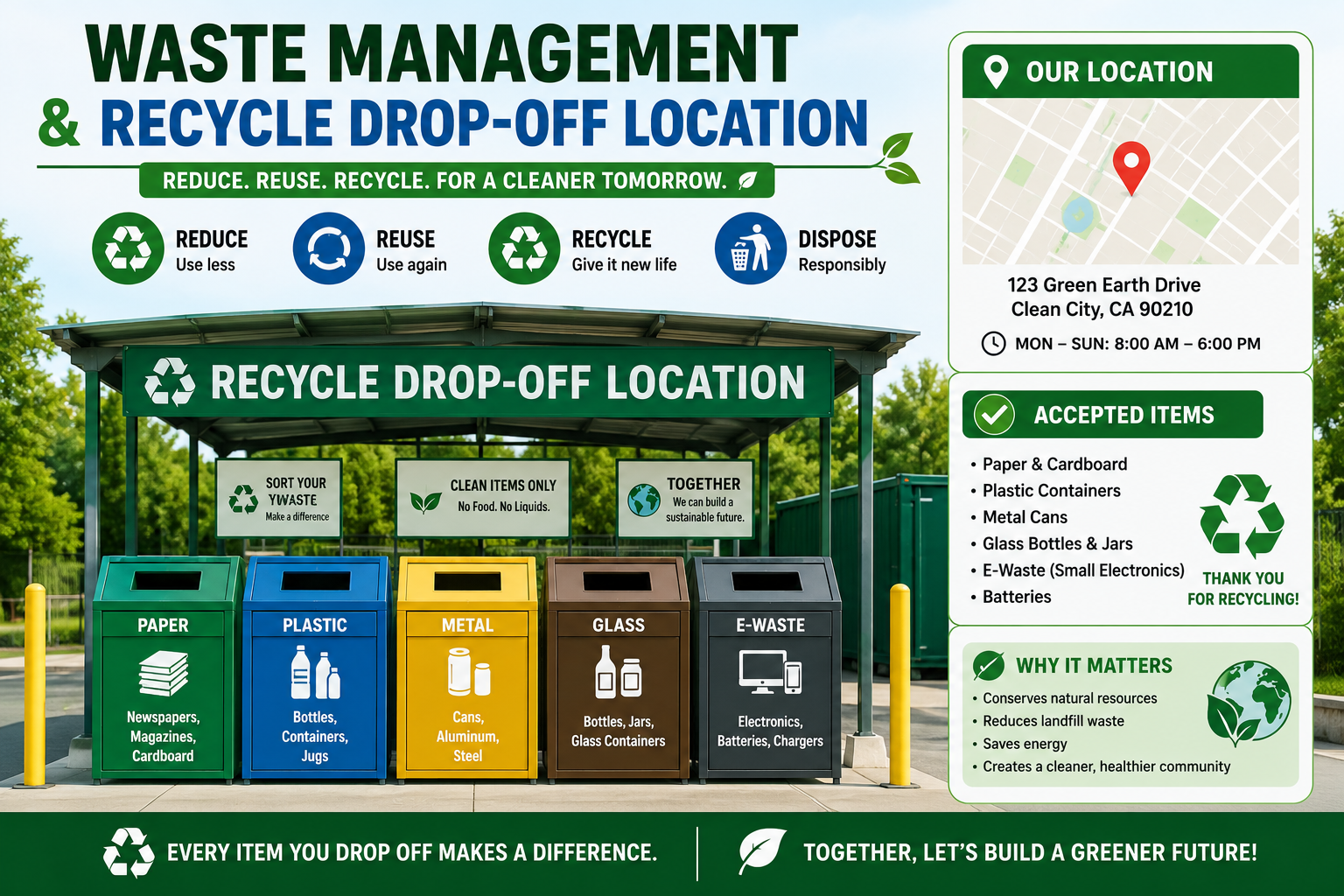
Recycling works best when materials reach the right destination. Whether you are clearing out a garage, renovating a property, organizing a construction site, or simply dealing with accumulated recyclable material, knowing where to take everything can make the process much easier. The challenge is that not every recycling location accepts the same items.
Finding suitable places to drop off recycling is therefore about more than choosing the closest destination. You should identify your materials, check acceptance requirements, prepare everything properly, and plan transportation before leaving. A little organization can turn a confusing pile of unwanted material into a manageable recycling trip.
Start by Understanding What You Have
Before looking for places to drop off recycling, take inventory of the materials you want to remove.
A household cleanup may produce cardboard, metal, wood, and other reusable or recyclable items. Renovation and construction projects can generate lumber, drywall, concrete, shingles, packaging, and additional debris.
Separating these materials early helps you determine which items may have recycling potential and which require another disposal method.
Avoid Treating Everything as Garbage
One of the easiest mistakes is assuming that unwanted means unusable.
Materials such as clean wood, metal, and cardboard may have value within appropriate recycling streams. When these items are mixed with ordinary garbage, recovering them can become more difficult.
Sorting first gives recyclable material a better opportunity to avoid disposal.
Compare Recycling Drop-Off Options Carefully
Different recycling facilities can serve different purposes. Some may handle common household recyclables, while others are better equipped for renovation, demolition, or construction materials.
That difference matters when choosing where to go.
Instead of asking only, “Which location is closest?” consider asking, “Which location is appropriate for the materials in my load?”
This small change in thinking can prevent unnecessary trips.
Check Accepted Materials Before You Travel
Acceptance requirements should always be verified before transportation.
A location that accepts wood, for example, may not necessarily accept every form of construction debris. Likewise, some materials may need to be separated or prepared in a particular way.
If you are researching a convenient destination, a local recycling drop-off facility can help you consider your options before loading and transporting materials.
Create a Simple Material List
You do not need an elaborate inventory. A short list is often enough.
Write down the main categories in your load, such as wood, cardboard, metal, drywall, or mixed waste. Then verify the requirements for each category.
This habit is particularly useful during large cleanouts where many different materials accumulate at once.
Prepare Recyclables Before Drop-Off
Good preparation can make recycling more efficient.
Keep materials reasonably clean and separate whenever possible. Avoid placing liquids, food waste, loose garbage, or unrelated debris into recyclable material piles.
Contamination can make otherwise recoverable material more difficult to process.
Keep Materials Separated
Use designated piles, containers, or sections of your loading area for different material types.
For example, keep cardboard away from wet debris and separate metal from general garbage. Construction projects can benefit from clearly marked collection areas so workers know where each material belongs.
Sorting as waste is generated is generally easier than separating a large mixed pile afterward.
Organize Your Vehicle for Easy Unloading
Loading strategy is an often-overlooked part of a recycling trip.
If your destination requires different materials to be unloaded separately, arrange your vehicle accordingly. Keep similar materials together and make frequently unloaded items accessible.
Avoid placing recyclable materials underneath heavy mixed debris when you will need to remove them separately.
Secure Everything Before Driving
Loose recyclable materials can create transportation hazards.
Cardboard, lightweight wood, plastic, and other debris may shift or blow from an uncovered vehicle. Secure the load using appropriate restraints or coverings before entering public roads.
Check that nothing extends or moves in a way that could create a hazard.
Recycling During Home Renovations
Renovations are an excellent opportunity to establish better material-sorting habits.
Rather than creating one large debris pile, separate materials as they are removed. Wood can go in one designated area, cardboard in another, and general waste somewhere else.
This approach keeps the worksite more organized while making recycling decisions easier.
Schedule Regular Drop-Off Trips
Waiting until the renovation is finished may result in an overwhelming amount of debris.
Instead, consider removing recyclable materials periodically. Regular trips can free up working space and prevent reusable resources from becoming damaged or contaminated by mixed waste.
Recycling After a Household Cleanout
Garages, basements, sheds, and storage rooms often contain years of accumulated belongings.
During a major cleanout, create categories before deciding what should leave the property. Some items may still be suitable for reuse, while others may contain recyclable materials.
Anything that cannot be reused or recycled can then be directed toward an appropriate disposal stream.
This process takes slightly more planning than putting everything into garbage bags, but it produces a much more organized result.
Why Choosing the Right Drop-Off Location Matters
Responsible recycling depends on getting the right material to the right place.
Choosing suitable places to drop off recycling can reduce confusion, simplify unloading, and improve the likelihood that recoverable materials enter appropriate recycling streams.
It also encourages people to think about waste differently. Instead of automatically viewing every unwanted material as garbage, they begin considering whether it has another potential destination.
Make Recycling a Routine Habit
Recycling becomes easier when it is incorporated into everyday cleanup and project planning.
Keep recyclable materials separate from the beginning, identify an appropriate destination before transportation, and check requirements whenever you encounter unfamiliar materials.
For ongoing construction or property maintenance, establishing designated recycling areas can make this process even more efficient.
Conclusion
Finding places to drop off recycling is an important part of responsible waste management, but choosing a destination should involve more than convenience alone.
Start by identifying your materials and separating recyclable items from general waste. Check acceptance requirements, prepare materials appropriately, organize your vehicle, and secure everything before transportation.
Whether you are handling a household cleanout or debris from a larger project, thoughtful sorting can make recycling simpler. When useful materials reach an appropriate destination instead of automatically entering the waste stream, every cleanup becomes an opportunity to support better resource recovery.