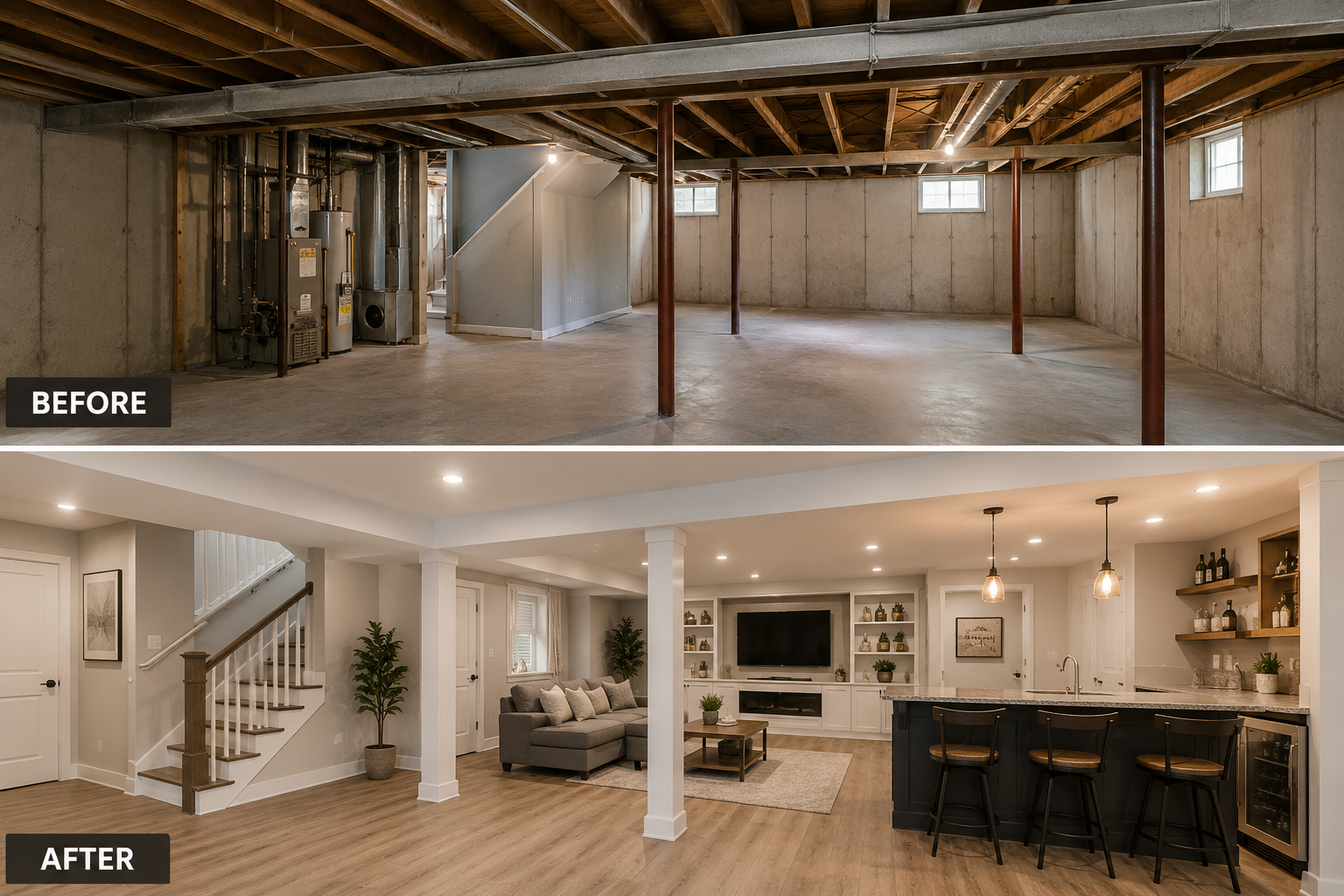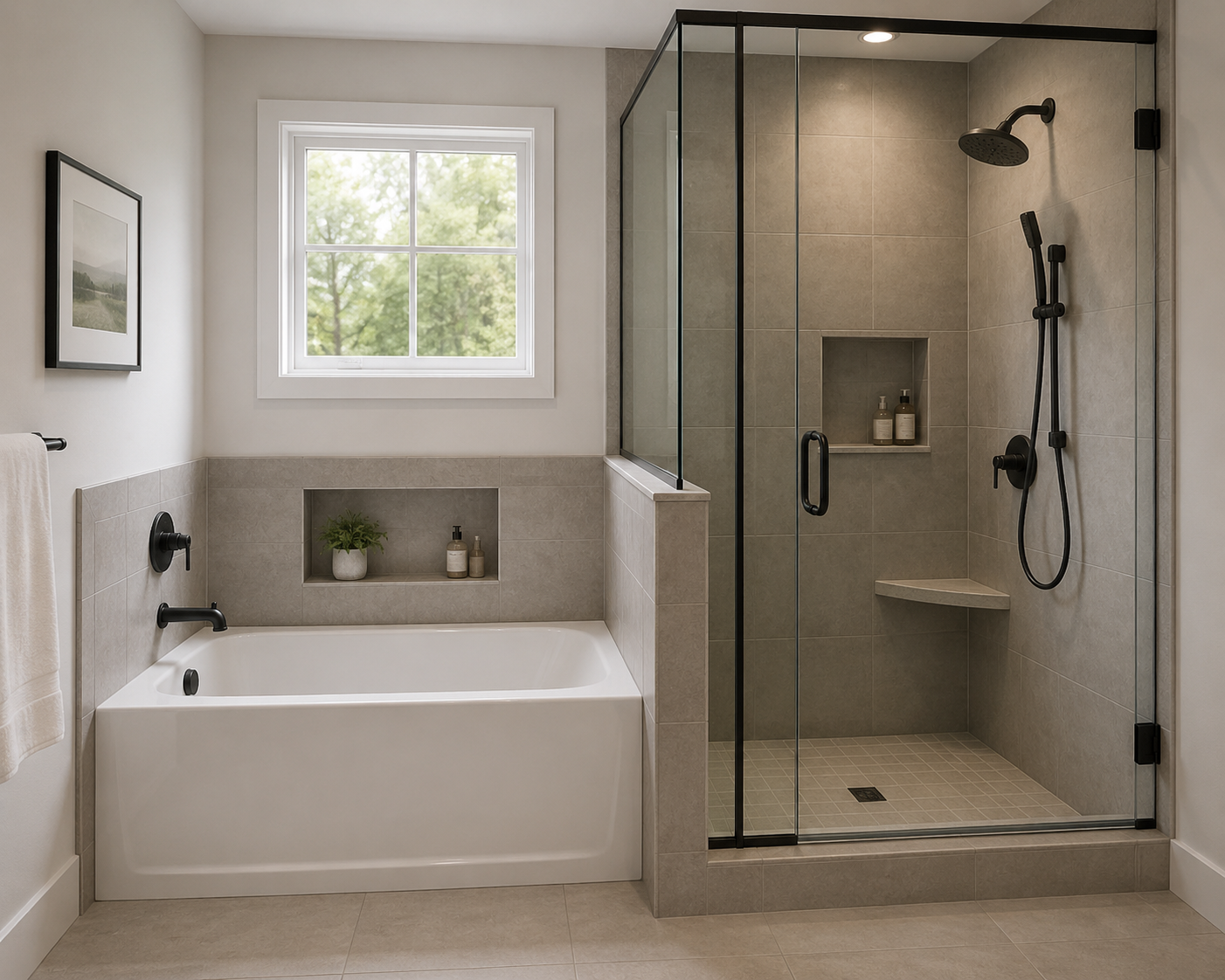
A home does not have to be outdated or damaged to need improvement. Sometimes, the layout no longer matches the household’s routine. Storage may be limited, rooms may feel disconnected, or certain areas may simply be uncomfortable to use. Well-planned home renovations London projects can address these issues while creating a more functional, comfortable, and visually appealing living environment.
The most effective renovations begin with practical goals rather than trends. By understanding how each space is actually used, homeowners can make improvements that provide lasting benefits instead of short-term visual changes.
Look at How Your Home Functions First
Before choosing materials, colours, or finishes, consider what currently makes everyday life difficult. Perhaps the kitchen lacks preparation space, the bathroom needs better storage, or the main living areas feel separated.
Creating a list of daily frustrations can reveal where improvements will have the greatest impact. This approach helps home renovations London projects focus on genuine needs.
A beautiful room is valuable, but a beautiful room that also works efficiently is far more rewarding.
Identify High-Use Areas
Rooms used every day often deserve priority. Kitchens, bathrooms, living rooms, entrances, and bedrooms can significantly influence overall comfort.
Improving these spaces may involve changing layouts, increasing storage, updating lighting, or creating better connections between rooms. Even relatively simple design decisions can noticeably change how a home feels.
Improve Flow Between Living Spaces
Older layouts do not always suit modern lifestyles. Some homes have narrow passages, isolated rooms, or inefficient transitions that make movement inconvenient.
Thoughtful home renovations London can improve circulation without sacrificing the character of the property. Adjusting openings, reorganizing furniture zones, or reconsidering how adjacent rooms connect can create a more natural flow.
However, open space is not always the answer. Homeowners should balance openness with privacy, noise control, and clearly defined areas.
Make Storage Part of the Design
Storage is frequently treated as a secondary consideration, yet it has a major influence on daily organization.
Built-in storage, better cabinetry, practical closets, and unused wall areas can help reduce clutter. The goal should be to create storage where items are actually used rather than simply adding cabinets wherever space is available.
Use Difficult Spaces Wisely
Corners, alcoves, areas beneath stairs, and other overlooked spaces can sometimes become valuable storage zones. Creative planning can turn previously unused areas into practical features.
This is particularly useful when home renovations London involve properties where expanding the overall footprint is unnecessary or impractical.
Pay Attention to Lighting
Lighting affects both function and atmosphere. A room may have attractive finishes yet still feel uncomfortable if it is poorly illuminated.
Natural daylight should be considered whenever possible. Window placement, interior openings, and room orientation can influence how much daylight reaches different areas.
Artificial lighting also deserves careful planning. Combining general, task, and accent lighting allows rooms to adapt to different activities throughout the day.
Homeowners looking for experienced renovation professionals in the local area can discuss how lighting, layout, materials, and other elements may work together within the overall renovation plan.
Choose Materials for Real Life
Appearance matters, but materials should also suit the household’s lifestyle. A busy family may prioritize surfaces that are durable and easy to maintain, while another homeowner may place greater emphasis on texture or architectural detail.
Successful home renovations London strike a balance between style and practicality.
Consider Maintenance Before Making Decisions
Some finishes require considerably more care than others. Before selecting flooring, countertops, wall finishes, or cabinetry materials, think about cleaning requirements, durability, moisture exposure, and everyday wear.
Making practical choices can help renovated areas remain attractive long after the work is completed.
Keep the Entire Home in Mind
Renovating one room should not make the rest of the property feel disconnected. Colours, materials, proportions, and architectural details should create a reasonable sense of continuity.
That does not mean every room must look identical. Instead, repeating certain design elements can help different areas feel related.
This approach is particularly valuable when home renovations London are completed gradually rather than as one large project.
Plan Decisions Before Work Begins
Changing major decisions midway through a renovation can create unnecessary complications. Homeowners can reduce uncertainty by finalizing important choices as early as practical.
Consider layouts, storage requirements, lighting locations, finishes, fixtures, and room functions before construction reaches those stages.
Good preparation also makes communication easier because everyone involved has a clearer understanding of the intended outcome.
Conclusion
A renovation provides an opportunity to rethink how a home supports everyday life. Instead of focusing entirely on appearance, homeowners can use the process to improve movement, storage, lighting, comfort, and overall functionality.
Well-planned home renovations London consider both immediate priorities and future requirements. When layout decisions, materials, lighting, and practical details work together, renovated spaces can feel natural rather than forced.
The result should be more than a refreshed interior. It should be a home that feels easier to use, more comfortable to live in, and better suited to the people who depend on it every day.