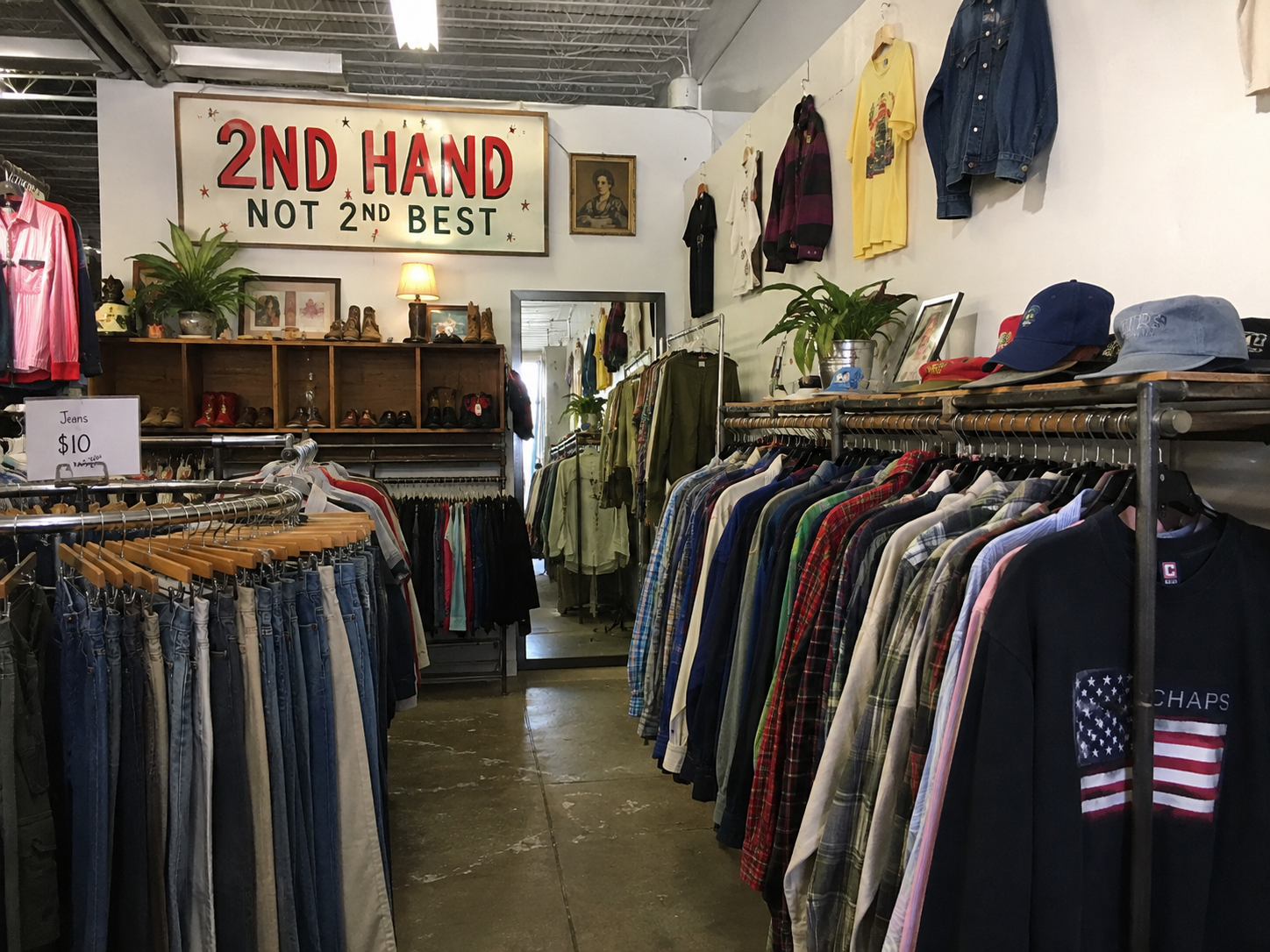
Personal style becomes much easier to develop when you stop feeling pressured to follow every new fashion trend. Clothing should work for your routine, feel comfortable, and reflect your personality. Exploring a second hand clothing store can introduce you to different fabrics, silhouettes, colours, and designs that may not appear together in conventional clothing collections. With a thoughtful approach, second-hand shopping can help you create a wardrobe that feels individual rather than predictable.
Start by Understanding Your Personal Style
Before adding anything to your wardrobe, consider what you actually enjoy wearing. Look at the clothing you reach for most often.
Do you prefer relaxed basics, structured outfits, colourful patterns, neutral layers, or a combination of styles? Knowing your preferences makes browsing a second hand clothing store much easier.
Instead of being distracted by every interesting garment, you can focus on pieces that complement your lifestyle.
Identify the Gaps in Your Closet
Take a quick inventory before shopping. You might have plenty of casual shirts but need layering pieces. Perhaps you own several trousers but lack comfortable tops that coordinate with them.
Write down a few genuine wardrobe gaps. This creates direction without removing the spontaneous element that makes second-hand shopping enjoyable.
Look Beyond Current Fashion Trends
Trends can provide inspiration, but they do not need to determine every clothing decision.
A second hand clothing store may contain pieces representing different fashion periods, giving you greater freedom to experiment. You could discover a classic jacket, an unusual patterned shirt, or a simple knit that works regardless of what is currently popular.
Choose Clothing That Feels Authentic
Ask yourself a straightforward question before selecting something: would you wear this if it were not currently fashionable?
If the answer is yes, the garment may have genuine long-term value in your wardrobe. Clothing that reflects your preferences tends to remain useful longer than pieces chosen solely because they match a temporary trend.
Pay Attention to Fabric and Construction
Appearance may attract you to a garment, but construction helps determine whether it deserves a place in your closet.
When exploring a second hand clothing store, examine stitching, hems, buttons, zippers, pockets, and other details. Check whether seams appear secure and whether the fabric has retained its shape.
Examine High-Wear Areas
Certain parts of garments tend to show wear first. Look closely at collars, cuffs, knees, elbows, underarms, and pocket edges.
For knitted clothing, check for excessive pilling, stretching, or damaged sections. For jackets and trousers, test closures and inspect linings where possible.
A quick inspection can help you make more informed choices without slowing your shopping trip considerably.
Ignore Size Labels When the Fit Looks Promising
Sizing can vary widely between manufacturers, clothing styles, and different periods. As a result, relying exclusively on the label may cause you to overlook something that could fit well.
When browsing a second hand clothing store, pay more attention to proportions. Shoulder width, garment length, waist measurement, and overall shape can tell you more than a printed size.
Knowing a few of your own measurements can also make the process easier.
Create Outfits Before Bringing Clothing Home
A useful way to reduce unnecessary purchases is to mentally style each garment before deciding.
Imagine how a potential find would work with pieces already in your wardrobe. Ideally, you should be able to picture several combinations.
Think in Layers
Layering makes clothing more adaptable throughout the year. A lightweight shirt can work independently during warmer weather and underneath a sweater or jacket when temperatures fall.
Likewise, cardigans, overshirts, and lightweight outer layers can transform simple outfits without requiring a completely different wardrobe for every season.
Thinking this way can make each second hand clothing store visit more purposeful.
Plan Your London South Shopping Trip
Good planning can make an in-person thrift-shopping visit more relaxed. Before heading out, checking the London South second-hand shopping location can help you organize your route and arrive prepared to browse.
Give yourself enough time once you get there. Clothing racks can contain many different fabrics, sizes, and styles, so moving too quickly may cause you to overlook worthwhile pieces.
Experiment Without Losing Practicality
One advantage of visiting a second hand clothing store is the opportunity to encounter styles you may not normally consider.
Try looking at unfamiliar colours, interesting textures, different cuts, or distinctive patterns. A single unexpected piece can add personality to several outfits.
However, experimentation works best when balanced with practicality. Think about where you would wear the garment and whether it suits your normal routine.
Build Slowly Instead of Buying Everything at Once
A strong wardrobe develops over time. There is no need to find every missing item during one shopping trip.
Because selections change, returning to a second hand clothing store on another occasion may reveal completely different possibilities. Waiting for something that genuinely suits you can be more satisfying than choosing an item simply to complete a list.
This slower approach also helps you understand which garments you actually use and what your wardrobe still needs.
Conclusion
Personal style is not about owning the largest collection of clothing or constantly following new trends. It develops through garments that fit comfortably, coordinate naturally, and make sense for your everyday life. By checking construction, looking beyond size labels, considering outfit combinations, and shopping patiently, a second hand clothing store can become an inspiring place to build a more individual wardrobe. Focus on pieces you will genuinely wear, and your closet can gradually become a better reflection of you.