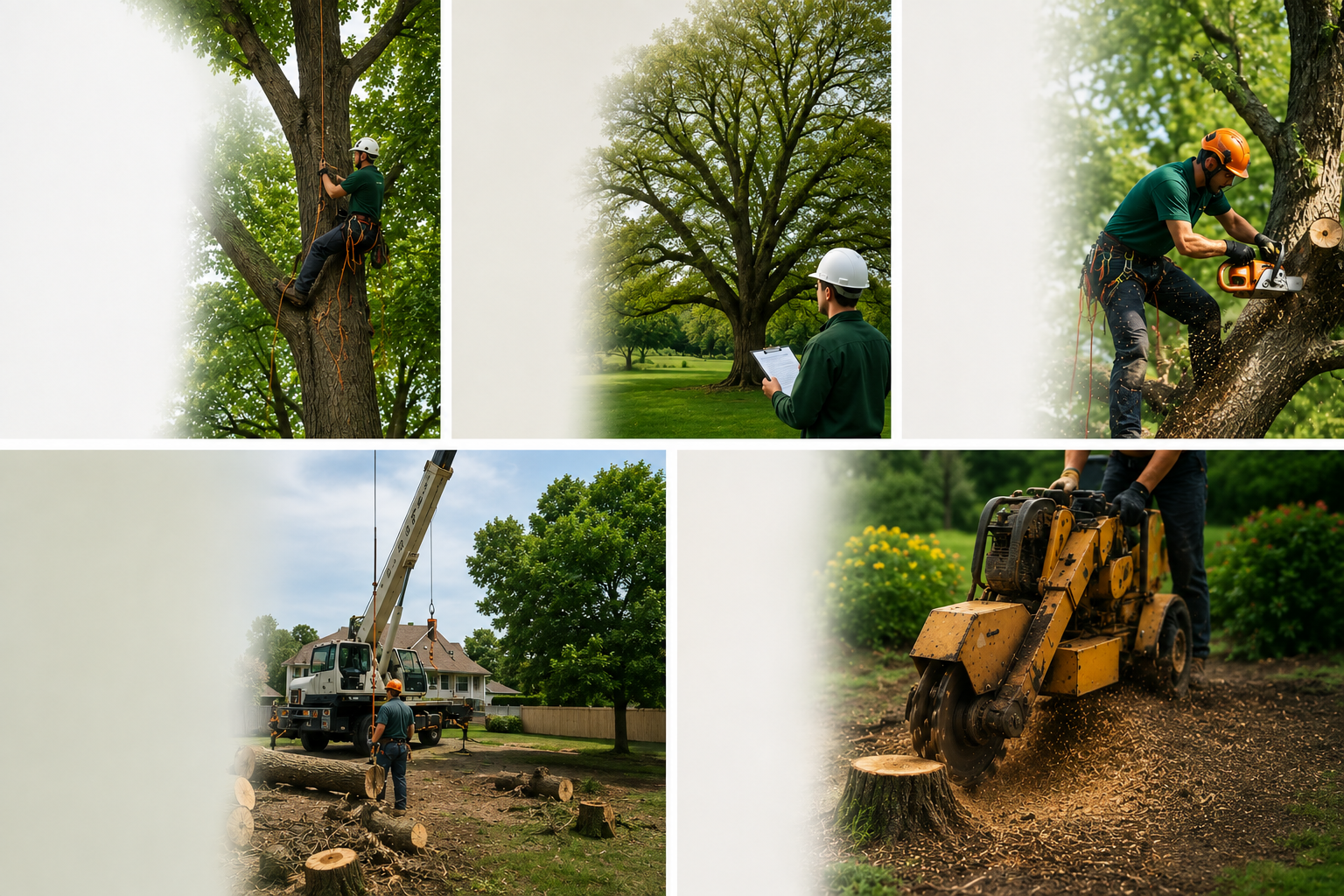
After a tree is taken down, the remaining stump can quickly become an overlooked problem. It may interrupt mowing, limit landscaping options, attract unwanted growth, or simply make an otherwise tidy yard feel unfinished. Tree stump removal offers a practical way to address these concerns and make outdoor areas easier to maintain. Understanding why stumps remain, what problems they can cause, and when action makes sense can help property owners plan their landscape more effectively.
Why Do Tree Stumps Become a Problem?
A stump may seem harmless at first. However, once the surrounding landscape returns to normal, its location can become inconvenient.
Stumps often occupy usable ground in lawns, gardens, and areas intended for future planting. They can also interfere with routine yard work. Grass growing around exposed roots and uneven wood can be difficult to cut neatly, while low stump edges may create obstacles for people moving through the area.
Tree stump removal helps restore a cleaner, more functional surface.
Old Stumps Can Affect Yard Appearance
Trees often serve as attractive focal points while alive. Once the trunk and canopy are gone, however, the remaining base usually has little visual value.
As wood ages, it may crack, darken, decay, or develop irregular growth around the edges. Removing the leftover stump can create a more finished appearance and provide greater flexibility when planning future landscape changes.
Regrowth May Develop Around a Stump
Some tree species can produce new shoots after the main trunk has been removed. These shoots may emerge directly from the stump or from remaining roots nearby.
Cutting the shoots repeatedly may temporarily improve appearance, but regrowth can continue if the underlying structure remains active. Tree stump removal can address the source more effectively and reduce repeated maintenance.
Why Repeated Sprouts Can Be Frustrating
New shoots often grow quickly because they are supported by an established root system. As a result, an area that looked clear after tree removal may become untidy again within a relatively short period.
Monitoring the stump after a tree has been taken down can help property owners identify regrowth before it becomes extensive.
Stumps Can Complicate Landscape Planning
Outdoor spaces change over time. Property owners may want to expand a lawn, redesign a planting bed, create a clearer pathway, or simply make the yard easier to use.
A stump can restrict these options because both the visible wood and surrounding roots occupy space.
For those considering local tree and stump care, evaluating the area before beginning new landscaping can help prevent conflicts between leftover tree material and future plans.
Think About the Intended Use of the Area
The best approach often depends on what will happen after the stump is addressed. An area intended for grass may require different preparation from one planned for decorative planting.
Thinking ahead helps ensure the cleared space fits naturally into the surrounding landscape.
What Happens to a Stump Over Time?
Leaving a stump in place allows natural decomposition to begin. Unfortunately, this process can take a long time, particularly when the stump comes from a large or dense tree.
During decomposition, the wood gradually softens and breaks apart. Fungi and insects may become associated with the decaying material as part of the natural process.
Tree stump removal provides a more controlled option for property owners who do not want to wait for natural decay.
Surface Conditions May Change
As underground wood deteriorates, soil around the former tree location can settle. This may create small depressions or uneven areas.
Observing the ground after stump work is important, especially if the space will become part of a lawn or frequently used section of the yard.
When Should Tree Stump Removal Be Considered?
There is no universal timetable. Some property owners choose to address the stump soon after the tree comes down, while others wait until they have a specific landscaping reason.
Removal may deserve consideration when a stump interferes with mowing, produces repeated sprouts, occupies valuable planting space, creates an unwanted obstacle, or affects the overall appearance of the landscape.
Consider Nearby Features
Before tree stump removal, it is important to consider what surrounds the stump. Underground utilities, irrigation components, fences, structures, pathways, and nearby plants can influence how the area should be approached.
Large roots may extend well beyond the visible stump, so the underground environment deserves attention as well.
Planning the Area Afterward
Once the stump is addressed, the space can often be incorporated more naturally into the yard. Depending on the location and ground conditions, property owners might establish grass, adjust a garden bed, or simply restore a level surface.
The soil may need time to settle. Monitoring the area and adding suitable material when necessary can help create a more even result.
Conclusion
A leftover stump can affect far more than the appearance of a yard. It may interfere with maintenance, encourage unwanted regrowth, limit landscaping choices, and occupy otherwise useful ground.
Thoughtful tree stump removal can help property owners reclaim that space and create a cleaner, more manageable outdoor environment. By considering surrounding features, future landscaping goals, and changing ground conditions, it becomes easier to turn the location of a former tree into a functional part of the landscape once again.